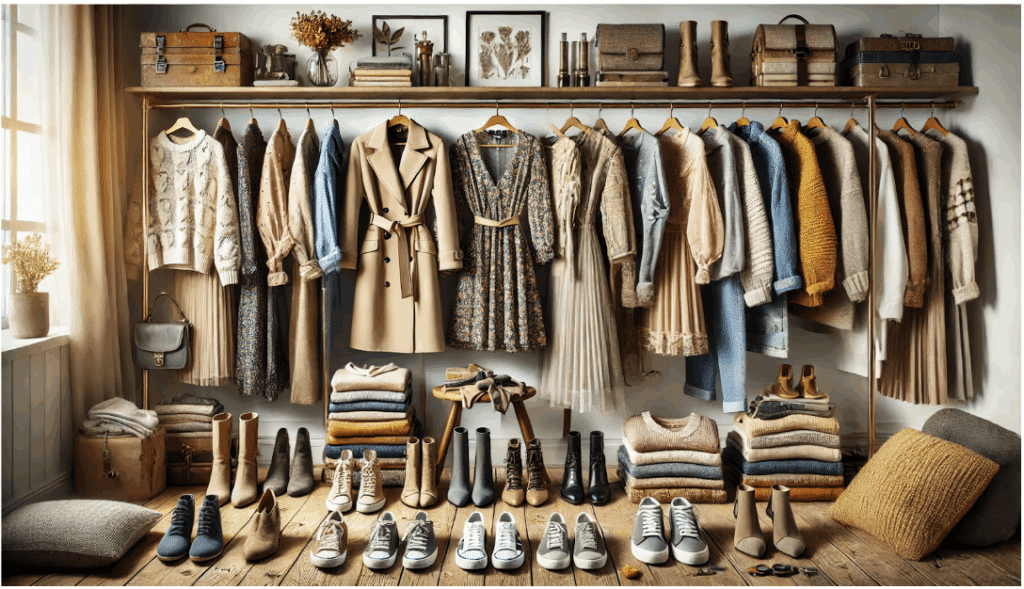
Choosing the right clothes is not just about following trends—it’s a personal expression of identity, comfort, and occasion. Whether you’re preparing for a job interview, a winter holiday party, or a casual weekend getaway, your outfit can set the tone for how others perceive you—and more importantly, how you perceive yourself. In this article, we’ll explore the essential factors that influence clothing choices, how to adapt your wardrobe to different seasons and events, and why even something as quirky as a Christmas jumper can play a role in your style strategy.
Key Factors to Consider When Choosing Clothes
When selecting your outfit, it’s important to evaluate several elements beyond aesthetics. These include body shape, comfort, climate, occasion, and personal taste. A well-balanced approach ensures that you not only look good but also feel confident and comfortable.
Here are the main aspects to keep in mind:
- Fit and Body Type Compatibility – Choose cuts and silhouettes that complement your shape.
- Material and Texture – Cotton for breathability, wool for warmth, silk for elegance, and synthetics for flexibility.
- Color Coordination – Colors can affect mood and perception; darker tones often appear more formal.
- Weather Conditions – Seasonal materials (like linen for summer or fleece in winter) enhance comfort.
- Occasion and Dress Code – Business, formal, casual, or festive—each setting has its own expectations.
This checklist provides a practical foundation for making informed clothing decisions. By combining fit, material, and occasion, you minimize the risk of overdressing or underdressing.
Choosing Clothes by Season and Occasion
Below is a table illustrating ideal clothing types based on seasonal conditions and common social settings:
| Season | Work/Business | Casual | Special Occasion |
| Spring | Lightweight blazers, chinos | Denim jackets, sneakers | Floral dresses, pastel shirts |
| Summer | Linen shirts, dress shorts | T-shirts, sandals | Flowy dresses, light-colored suits |
| Autumn | Layered knits, cardigans | Hoodies, boots | Earth-toned outfits, leather accents |
| Winter | Wool coats, scarves | Parkas, thermal layers | Velvet suits, Christmas jumpers |
This table highlights how the right seasonal wardrobe balances formality with practicality. For instance, a Christmas jumper might not work in a corporate setting, but it’s perfect for family gatherings or office parties, where personality and warmth matter more than strict elegance.
The Role of Accessories and Details
An often overlooked element in clothing choice is accessorizing. While clothes form the base, accessories complete the picture. Belts, watches, scarves, and shoes can upgrade a simple outfit to something more polished. Likewise, small details like buttons, stitching, or collar shape can subtly influence the tone of your attire. For colder months, accessories like beanies or gloves enhance style and serve functional purposes.
Common Mistakes and How to Avoid Them
People often make avoidable errors in their quest for stylish dressing. Understanding these missteps can save you time, money, and unnecessary discomfort.
- Wearing clothes that don’t fit properly (too tight or too loose)
- Ignoring dress codes for events or work
- Choosing fashion over function in extreme weather
- Over-accessorizing or mixing too many patterns
- Underestimating the power of basics and layering
Awareness of these pitfalls enables smarter, more confident choices. Fashion is about the balance between creativity and coherence.
Dress With Purpose, Not Pressure
Clothing is not just fabric—it’s a form of nonverbal communication. Before you even speak, your outfit already conveys something about your mood, values, and intentions. That’s why dressing should never feel like a burden or a race to meet expectations. Instead, it should be a conscious act of self-expression. Whether you’re going bold with vibrant patterns or keeping it minimal with clean, neutral tones, your wardrobe should serve your narrative, not someone else’s idea of style. Even humorous or festive pieces, like a bright Christmas jumper, carry emotional weight by showing a playful, social, or nostalgic side of you. These are the garments that bring smiles, spark conversations, and create memories. So the next time you open your closet, don’t just think “What should I wear?”—ask yourself, “What story do I want to tell today?” That subtle shift in mindset can transform getting dressed into a creative and empowering ritual.